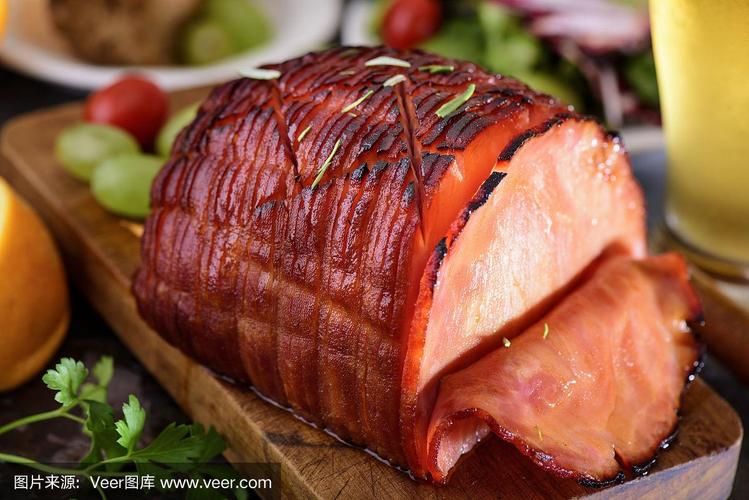
Master the Ultimate Honey Glazed Ham: Tips for Perfection
There are few culinary centerpieces that command attention and evoke the spirit of celebration quite like a perfectly roasted, golden-brown honey glazed ham. With its irresistible blend of sweet, tangy, and savory notes, this timeless classic effortlessly anchors any holiday table, from festive Christmas dinners to joyous Easter brunches or even a comforting Sunday meal. Beyond its stunning visual appeal and mouth-watering aroma, the true beauty of a honey glazed ham lies in its ability to deliver an explosion of flavor with every succulent slice, promising a dish that is both deeply satisfying and surprisingly straightforward to achieve.
Why a Honey Glazed Ham is the Ultimate Centerpiece
Imagine a ham, glistening with a caramelized glaze, its aromatic spices filling your home – that’s the magic of a honey glazed ham. This dish isn't just food; it's an experience, a beacon of hospitality that tells your guests they're in for something special. The secret lies in the exquisite balance: the inherent saltiness and savory depth of the pork are beautifully contrasted by a luscious, sugary finish. This creates a complex flavor profile that appeals to nearly everyone, making it a guaranteed crowd-pleaser. Furthermore, while it presents as an impressive, labor-intensive feat, the reality is that with the right guidance, crafting this show-stopping dish can be a remarkably enjoyable and stress-free process, allowing you more precious time to spend with loved ones rather than tethered to the kitchen.
Crafting Your Masterpiece: The Irresistible Glaze
The heart and soul of any exceptional honey glazed ham lies in its glaze. This isn't just a coating; it's a meticulously balanced symphony of flavors designed to penetrate the ham, caramelize to a rich hue, and transform every bite. Our ultimate glaze recipe is a carefully curated blend of ingredients, each playing a vital role in creating that signature sweet, tangy, and savory profile.
Glaze Ingredients Breakdown:
*
Brown Sugar: Whether light or dark, brown sugar provides the foundational sweetness and a rich molasses note, crucial for deep caramelization.
*
Honey: The star of the show! Use good quality honey for the best flavor. Local honey can even add a unique regional twist, enhancing the natural sweetness and viscosity of the glaze.
*
Soy Sauce (Low-Sodium): This might seem unexpected, but low-sodium soy sauce is a game-changer. Ham can be inherently salty, so a low-sodium option adds a crucial umami depth and savory balance without making your dish overly saline.
*
Dijon Mustard: Providing that essential tangy kick, Dijon mustard cuts through the sweetness and richness, adding a sophisticated, piquant counterpoint. Any brand will do, but a good quality Dijon elevates the experience.
*
Pineapple Juice (Unsweetened): Unsweetened pineapple juice brings a wonderful fruity tang and acidity, which not only brightens the flavor but also acts as a natural tenderizer for the ham.
*
Orange Juice (Freshly Squeezed): For a vibrant, zesty lift, freshly squeezed orange juice is unparalleled. If fresh isn't an option, good quality store-bought will suffice.
*
Vinegar (White Wine or Cider): A touch of white wine or cider vinegar adds another layer of acidity, further balancing the sweetness and enhancing the overall complexity of the glaze.
*
Garlic (Fresh): Freshly minced garlic provides an aromatic foundation, infusing the glaze with a savory warmth that complements the ham beautifully. Jarred minced garlic can be used in a pinch, but fresh is always superior.
*
Ground Cloves: This classic holiday spice adds a warm, aromatic depth that pairs perfectly with both ham and the sweet glaze. Ensure your cloves are freshly ground for maximum impact.
*
Unsalted Butter: Butter contributes richness and helps to emulsify the glaze, giving it a smooth, luxurious texture. For a dairy-free alternative, you can substitute with margarine or a vegan butter.
Beyond the Basics: My Pro Tips for an Award-Winning Glaze:
Don't just combine the ingredients; bring them to life. Gently simmer your glaze ingredients in a saucepan over medium heat, allowing them to meld and thicken slightly for about 5-7 minutes. This process develops deeper flavors and ensures a more cohesive glaze. Always taste your glaze before application and adjust as needed – a dash more vinegar for tang, a spoonful more honey for sweetness, or a touch more soy sauce for umami. For an extra layer of complexity, consider adding a pinch of ground cinnamon or a whisper of allspice to your glaze; these warm spices beautifully complement the cloves and citrus.
Selecting and Preparing Your Ham for Glazing Glory
The foundation of a perfect honey glazed ham begins long before the oven preheats. Choosing the right ham and preparing it correctly are critical steps towards achieving that ultimate succulent, flavorful result.
Choosing the Right Ham:
*
Type of Ham: Opt for a fully cooked, unglazed ham, either smoked or unsmoked. Many hams come pre-cooked, which significantly reduces your cooking time and simplifies the process.
*
Spiral-Sliced vs. Whole: A spiral-sliced ham offers convenience, as it's pre-sliced for easy serving. However, a whole, unglazed ham gives you more control over the scoring process and can sometimes result in a juicier interior. Both work beautifully with this glaze.
*
Bone-in vs. Boneless: Bone-in hams tend to have a richer flavor due to the bone marrow, while boneless hams are undeniably easier to carve. Your choice depends on your preference for flavor versus ease of preparation and serving.
*
Serving Size: As a general guideline, plan for approximately ½ pound of bone-in ham or ⅓ pound of boneless ham per person. So, an 8-pound fully cooked bone-in ham will comfortably serve around 16 people. If you're hosting a larger crowd or hoping for leftovers (and trust us, you’ll want them!), consider selecting a slightly larger ham or supplementing with additional delicious side dishes.
The Art of Scoring:
Scoring the ham is more than just an aesthetic flourish; it's a crucial preparation step that allows the glaze to deeply penetrate the meat and helps render any excess fat, resulting in a more flavorful and visually appealing finish.
To score your ham:
1. Remove the ham from its packaging and pat it dry with paper towels.
2. Place the ham in a sturdy roasting pan.
3. Using a very sharp knife, carefully score the surface of the ham in a diamond pattern, about ¼ inch deep. Make sure not to cut too deeply into the meat itself. Consistent, shallow cuts are key. For a truly professional appearance, you can even use a ruler to guide your lines, ensuring perfectly even diamonds across the surface.
Baking Your Honey Glazed Ham to Perfection
With your ham selected, prepped, and glaze ready, it's time for the magic to happen in the oven. The baking process for a fully cooked ham is primarily about warming it through and allowing that incredible glaze to caramelize.
Preheating and Roasting:
*
Oven Temperature: Preheat your oven to a moderate 325°F (165°C). This gentle heat ensures the ham warms evenly without drying out.
*
Moisture is Key: To prevent your ham from drying out during the initial warming phase, place it in a roasting pan, cut-side down if possible. You can add about ½ cup of water, apple juice, or broth to the bottom of the pan to create a moist environment. Tent the ham loosely with aluminum foil for the first portion of baking to lock in moisture.
The Glazing Process:
*
When to Glaze: Timing is everything. Begin applying your prepared honey glaze during the final 60 to 90 minutes of the ham's total cooking time. Applying it too early risks burning the sugars in the glaze, leading to a bitter crust.
*
Application: Remove the foil and generously brush a layer of glaze over the entire surface of the ham. Return it to the oven and continue baking, reapplying a fresh layer of glaze every 15-20 minutes. Each layer will build upon the last, creating that signature sticky, caramelized crust.
*
Achieving Caramelization: As the ham nears completion, you'll notice the glaze starting to bubble and brown beautifully. If you desire an extra deep caramelization or a slightly crispier crust, you can carefully increase the oven temperature to 375°F (190°C) for the last 15-20 minutes, or even briefly use the broiler (watching it *very* closely to prevent burning!).
*
Internal Temperature: For a fully cooked ham, you are simply reheating it. It's ready when an instant-read meat thermometer inserted into the thickest part (without touching bone) reads 140°F (60°C).
Resting and Serving:
Once your honey glazed ham reaches the ideal internal temperature and boasts a glorious, caramelized crust, resist the urge to carve it immediately. Remove the ham from the oven, tent it loosely with foil, and allow it to rest for 15-20 minutes. This crucial resting period allows the juices to redistribute throughout the meat, ensuring every slice is incredibly moist and flavorful. After resting, carve against the grain, arrange your masterpiece on a platter, and prepare for accolades. For a full festive spread, consider pairing your ham with sides like fluffy mashed potatoes, roasted Brussels sprouts, homemade dinner rolls, or crisp green beans almondine. You'll find more inspirational pairing ideas and guidance on preparing a memorable meal in
Your Guide to a Sweet, Tangy, Savory Honey Glazed Ham.
Troubleshooting and Expert Tips for a Flawless Finish
Even seasoned cooks can encounter a hiccup or two. Here's how to navigate common issues and some extra tips for ensuring your honey glazed ham is absolutely perfect.
Problem-Solving:
*
Glaze Burning: If your glaze starts to darken too quickly, it's likely being applied too early or the oven temperature is too high. Next time, apply the glaze only in the last hour of cooking, and ensure your oven temp is accurate. If it's already burning, you can try tenting the ham more heavily with foil to shield the glazed surface.
*
Ham Drying Out: Overcooking is the primary culprit here. Always use a meat thermometer and pull the ham as soon as it hits 140°F (60°C). Ensuring liquid in the roasting pan and tenting with foil during initial baking also helps prevent dryness.
*
Glaze Not Sticking: This can happen if the ham surface is too cold or if it wasn't scored deeply enough. Ensure the ham comes to room temperature for about 30 minutes before baking, and re-evaluate your scoring depth.
Extra Tips for Success:
*
Make Glaze Ahead: The glaze can be prepared a day or two in advance and stored in the refrigerator, saving you precious time on cooking day. Simply reheat it gently before brushing onto the ham.
*
Don't Discard Pan Drippings: The flavorful drippings at the bottom of the roasting pan are liquid gold! Deglaze the pan with a little wine or broth and use them as a base for an accompanying gravy or simply as extra basting liquid for profound flavor.
*
Leftovers are a Gift: The joy of a honey glazed ham extends far beyond the main meal. Leftovers are fantastic for sandwiches, quesadillas, soups, omelets, or even frozen for future meals. For more stress-free preparation and serving ideas, especially when planning for leftovers or dealing with a bustling holiday schedule, check out
Easy Honey Glazed Ham: Stress-Free Holiday Feasts.
Conclusion
Crafting the ultimate honey glazed ham is a rewarding culinary journey that results in a dish both spectacular in appearance and unforgettable in taste. By understanding the interplay of ingredients in your glaze, carefully selecting and preparing your ham, and mastering the baking and glazing techniques, you can confidently create a centerpiece that will undoubtedly become a cherished tradition. So gather your ingredients, follow these tips, and prepare to delight your guests with a honey glazed ham that epitomizes perfection – a truly sweet, tangy, and savory triumph that tastes of celebration itself.